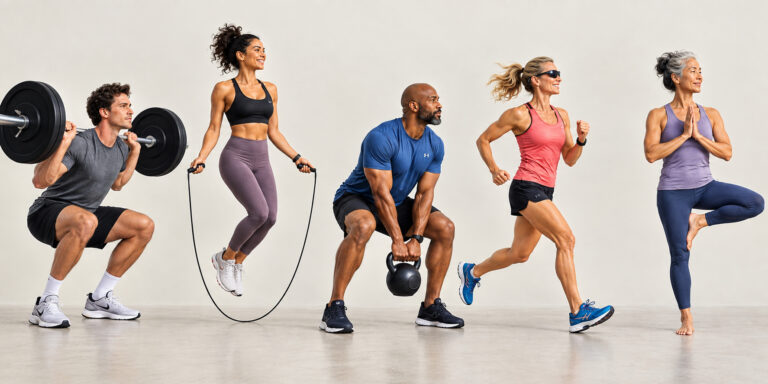
When you walk into a room, a meeting, an event, a grocery store, or just down the street, the first impression people get of you is you. Your posture, how you walk and stand—how you carry yourself—is a direct reflection of who you are. So, what is it you want people to see? Who do you want to see?
Here is a truth that some of us don’t learn until later in life, and yet, it’s something that is never too late to change: Achieving better posture is a process of training your body. It doesn’t happen overnight, and it can only really improve when you make the commitment. Perhaps you never realized that good posture has physical, mental, and emotional benefits. It will help your body, mind, and heart.
Physical benefits of good posture
- Opens up your rib cage and diaphragm
- Increases your lung capacity-you take in more oxygen
- Reduces back pain, muscle strain
- Fewer injuries sick
- Better digestion
- Better circulation
- Increases energy
- Leads to greater productivity
Mental & emotional benefits of good posture
- Reduces stress
- Increases self-esteem—you’ll look better and feel better
- Increases confidence—try a power pose. Stand like Wonder Woman for two minutes and see how you feel.

So, how is your posture? Let’s find out.
Posture self-check:
- Do you have headaches?
- Are you fatigued, lack energy
- Do you fall or feel unsteady on your feet?
- Is your breathing shallow?
- Do you have back pain, hip pain, knee pain?
- Do you slouch when you sit, cross your arms?
- Do you suffer from chronic, negative thinking about yourself?
If these symptoms sound familiar, if you’re experiencing them on a regular basis, your posture could use some improvement.
Here are eight simple things from The Cleveland Clinic you can do each day to help improve your posture.
- Back to the wall
This will help you know what good posture looks and feels like. Put your body flush against any wall. Pull your head back, roll your shoulders and tuck your pelvis. - Wall angles
Well-stretched chest and arm muscles are key to good posture.
– Stand against a wall with your arms at your sides keeping your head, shoulder blades, hips and backs of your legs against the wall. Face your palms out
– Slowly slide your arms out to the side and all the way up over your head. Keep the backs of your hands in contact with the wall the whole way up. Hold it for a few seconds
– Slowly lower your arms back down. Again, keep the backs of your hands in contact with the wall on the way down and maintain strong posture - Pull your head back
We don’t want our heads to hang too far in front of our shoulders. Fix this common bit of bad posture be realigning your head
– While sitting, slowly bring your chin backward, without changing your eye level. You can use your fingertips to gently coax your chin back and hold it there for several seconds at a time - Doorway lunge
Flex and strengthen your upper chest muscles to keep your shoulders from rolling forward
– Stand in an open doorway. Put your arms out to your sides and bend at the elbows. Your upper arm should be parallel to the floor and bent 90 degrees at your elbow. Fans of yoga know this as cactus arms
– Place your palms on either side of the doorway.
– Take a big step back with your right leg, leaning your weight forward into your arms. You should feel a stretch in your upper chest area and the lower part of your right leg. Hold this for a few seconds
– Repeat with your left leg back - Standing row
A strong upper back will also anchor those shoulders where they should be.
Get a resistance band. You can also do this without them. Just imagine pulling on invisible rubber bands.
– Attach the middle of a resistance band (or invisible one) to a doorknob
Hold one end of the band in each hand. Bend your elbows and squeeze your shoulder blades as you draw the band back. - Shoulder blade push
Seeing a theme here? Shoulder strength is important.
– Lie on your back with your knees bent. Keep your arms at your sides and your palms facing the ceiling
– Push your shoulder blades down and back, sinking them to the ground - Pelvic tilt
This will help strengthen your lower back.
– Lie flat on the floor with your arms at your sides, palms facing up
– Round your pelvis forward to bring your lower back closer to the floor. That should engage the abdominal muscle just above your pelvic bone
– Hold for several seconds and repeat - Seated neck stretch
Your head is heavy! Let’s empower your neck to handle it.
– Sit comfortably with your shoulders back and your feet on the floor
– Reach and hold the bottom of your chair with your right hand. That helps to keep your shoulders from creeping up
– Keep your trunk straight as you lower your left ear toward your left shoulder until you feel a stretch. Don’t push farther than is comfortable. Hold for several seconds
– Repeat on the other side – holding your seat with your left hand and lowering your right ear to your right shoulder
Now that you have these simple steps, you’re ready for a life of better posture. Let us know how your progress goes on our Every Day Victories Facebook page. We’ve got your back!