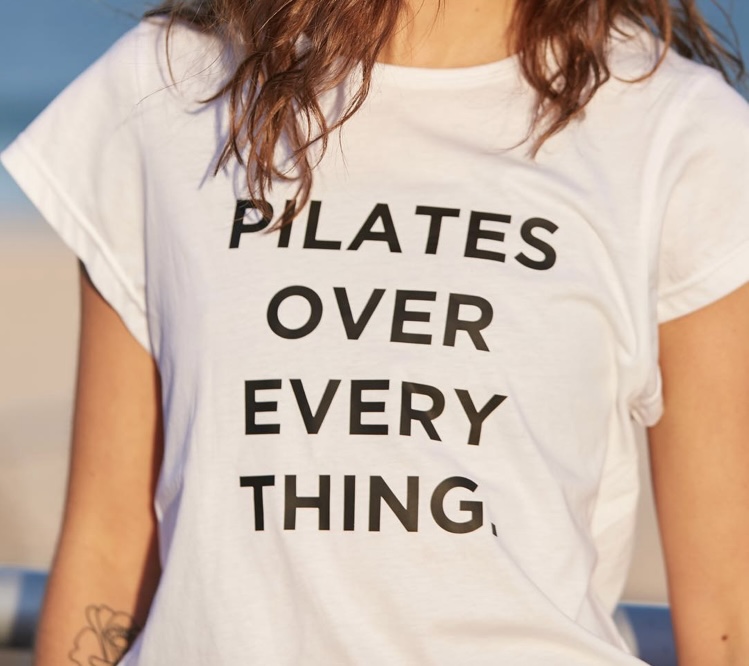
Movement has powerful, science-backed effects on nearly every system in your body—just like some medicine, but without the long list of potential side effects. Even just 10 minutes of movement a day can make a big difference. I love to exercise but I realize that many people do not, or they have not yet experienced the value.
Movement does the following:
- Boosts your brain by increasing its blood flow and oxygen, which improves memory, focus, and mood
- Strengthens your cardiovascular health by lowering blood pressure and improving circulation
- Regulates blood sugar by helping muscles absorb glucose, which can lower your risk of diabetes
- Flights inflammation, which is a key factor in many diseases
- Supports healthy joints and bones by stimulating bone density and keeping joints flexible
- Improves immunity by helping immune cells circulate more effectively
Ideally, you want about 45 minutes of activity every day. But don’t stress about doing it every day. Allow yourself one day a week to chill so your body can recover. And if 45 minutes six days a week is too big a bite right now, the 10 minutes a day will offer some benefits and keep you motivated.
I tell my clients that 10 minutes a day of small daily actions creates long-term change and is a healthy habit to form. A short walk triggers endorphins, which can reduce anxiety and depression. There’s nothing wrong with a cup of coffee, but any movement wakes up your body and brain more effectively than caffeine. And unlike that cup of joe, movement will help you burn more calories throughout the day. And gentle movement helps reduce stiffness and chronic pain especially, in the joints.
Depending on your goals or mood, here are some effective ~10 minute routines to help you and your body feel and move better. (Be sure to take your time. Even the most basic activities when done incorrectly or too hard can lead to injury, which is the exact opposite of what we’re going for here.)
A morning boost for energy and focus
- March in place with arm swings (2 min.)
- Jumping jacks or step touches (2 min.)
- Bodyweight squats (2 min.)
- Arm circles and shoulder rolls (2 min.)
- Deep breathing (2 min.)
A midday rest for stress relief
- Gentle neck rolls and shoulder shrugs (2 min.)
- Cat-cow stretches on hands and knees (2 min.)
- Seated forward fold (2 min.)
- Side stretches and torso twists (2 min.)
- Slow, deep breathing and child’s pose (2 min.)
Bodyweight circuit for strength
- Squats (1 min.)
- Push-ups on knees or wall (1 min.)
- Glute bridges (1 min.)
- Plank hold or shoulder taps (1 min.)
Repeat cycle once
- Cooldown stretch (2 min)
Dance break just for fun
- Pick 2-3 favorite songs
- Freestyle dance, shake it out, add in side steps, spins, hip rolls
- Smile, sweat, repeat!
Free-form dance is not just an art form or a recreational pastime — it’s an effective, accessible form of exercise that delivers both physical and psychological benefits. A Northeastern University published earlier this year found that dancing can have the same health benefits as running or other exercises. Unlike structured workouts, free-form dance engages both the body and mind in a unique way. Understanding how this type of activity compares to traditional workouts provides insight into why movement plays such a foundational role in human health.
I personally recommend my clients to wake up in the morning and stretch in bed, brush their teeth, wash their face, make their bed and… MOVE! Either at a gym or home for 10 minutes or more if they have the time. Try the Scientific 7-Minute Workout from The New York Times or go to YouTube for 10 minutes of movement.

There are so many ways to move—walk, stair climbing, bodyweight exercise, dancing, household chores… My clients have reported back that incorporating movement into their lives has improve their mood, increased their energy, allowed them to sleep better, and be able to better manage their weight. Whatever you can do, whenever you can do it, just move. It’s the best medicine at the best price, too!
Here are a few other simple things you can do each day to support your wellness goals.
- Eat More Good Stuff: Fill your plate with whole, nutritious foods and save the alcohol for special occasions
- Drink Up: Aim for three liters of water each day to stay hydrated
Read What You Want: Read 10 pages of any book each day, whether it’s fiction, non-fiction, or even a magazine—just keep your mind engaged