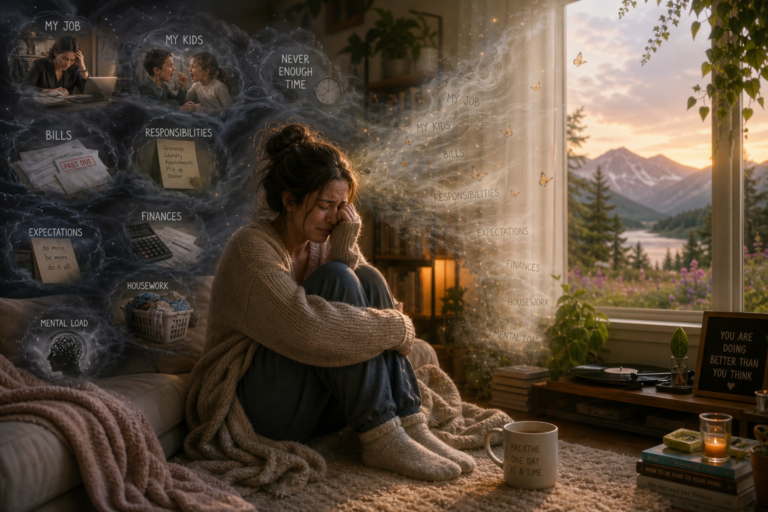
Every first Sunday in November we “fall back,” a common utterance as we turn our clocks back one hour marking the end of Daylight Saving Time (DST) and the ushering in of shorter, darker days. Who among us doesn’t loathe this particular form of time travel? Sure, we are, theoretically, gaining an extra hour to sleep in, but according to Harvard Medical School, most of us don’t even enjoy that benefit. Not farmers, not parents of young children—maybe a shift worker and a handful of would-be hungover college kids. What we’re really falling back into is the blues.
Seasonal affective disorder, commonly called SAD, is defined by the Mayo Clinic as a type of depression related to the changing of the seasons. Symptoms include:
- Low energy/fatigue
- Oversleeping/having trouble getting out of bed in the morning
- Changes in our appetite, craving sweets and carbohydrates for comfort
- Weight gain
- Trouble concentrating
- General sadness
- Withdrawing from social activity
SAD begins in autumn and weighs millions of Americans down throughout winter and into spring before the days begin to brighten. SAD is not directly caused by the time change, though there have long been debates as to whether there is any benefit to changing our clocks back or forward. About half of adults in the U.S. prefer Standard Time (ST) to DST, according to a March 2025 Gallup poll. Even if we set our clocks back one last time this year, SAD would still come for us. Because as long as the Earth spins on its tilted axis, the length of days and nights will fluctuate.
Our body’s internal clock—our circadian rhythm—is affected by lack of light. When things get dark, our body releases melatonin and we get tired. Unfortunately, it’s only five o’clock and we still have plenty to do before bedtime.
But there is light in this tunnel of SADness, and we don’t have to wait until spring for it to shine. There are coping strategies that can help keep your circadian rhythm in check and reduce the effects of SAD.
- Get as much natural sunlight as you can. Take walks, sit near a window
- Go outside. Even in cold and gray, breathing fresh air can help
- Get physical. Exercise for at least 30 minutes a day. A simple walk definitely counts
- Eat healthy, well-balanced meals
- Stick to your sleep schedule
- Hydrate
- Purchase a light box. These emit a light, which mimics the sun and lets your brain feast on the light you’ve been missing. They are a variety of affordable options online
- Stay social, no matter how hard it is. Even if you and your friends gather just to talk about how sad you feel—misery does love its company, and you’ll all feel better for it.